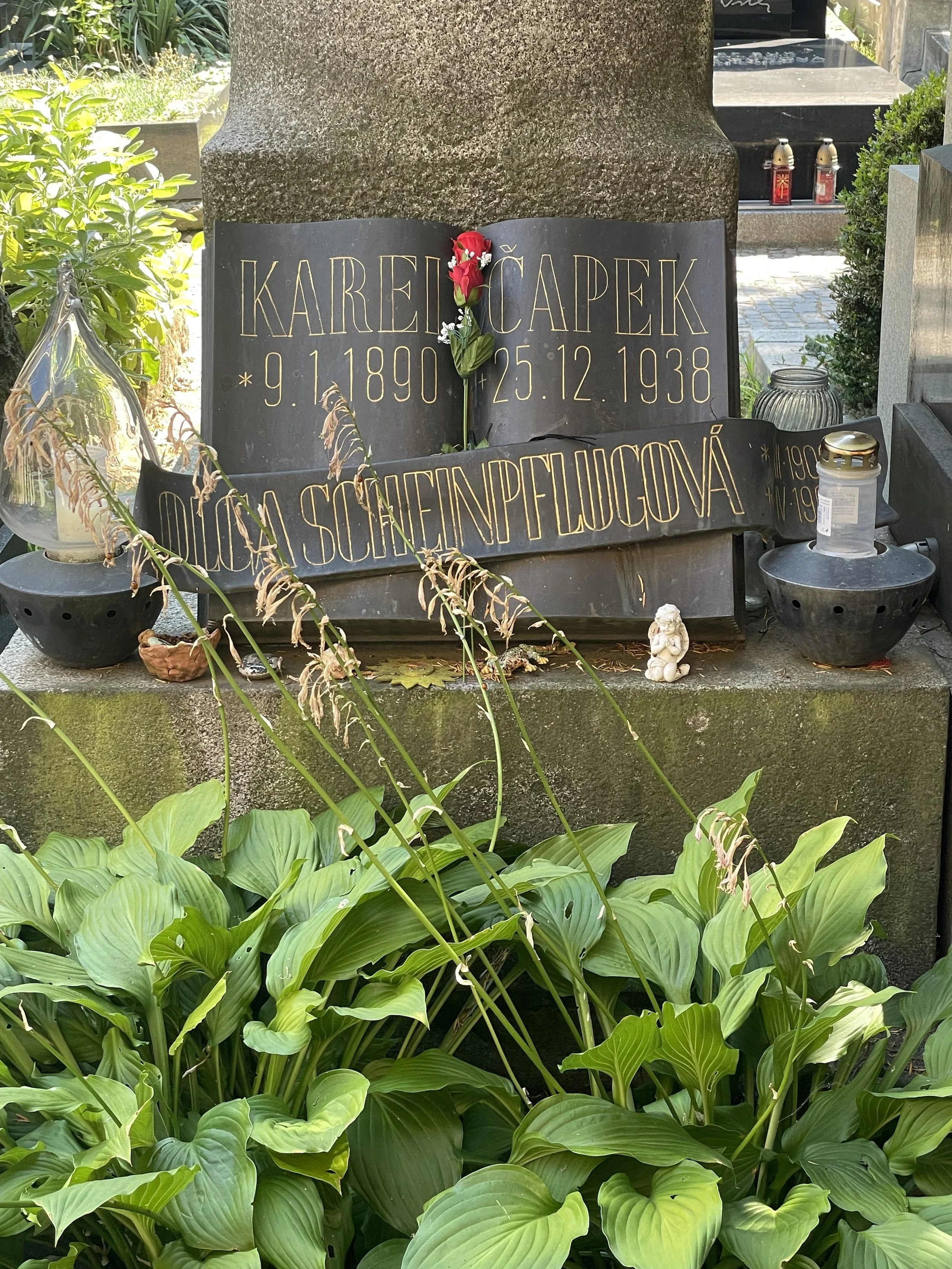
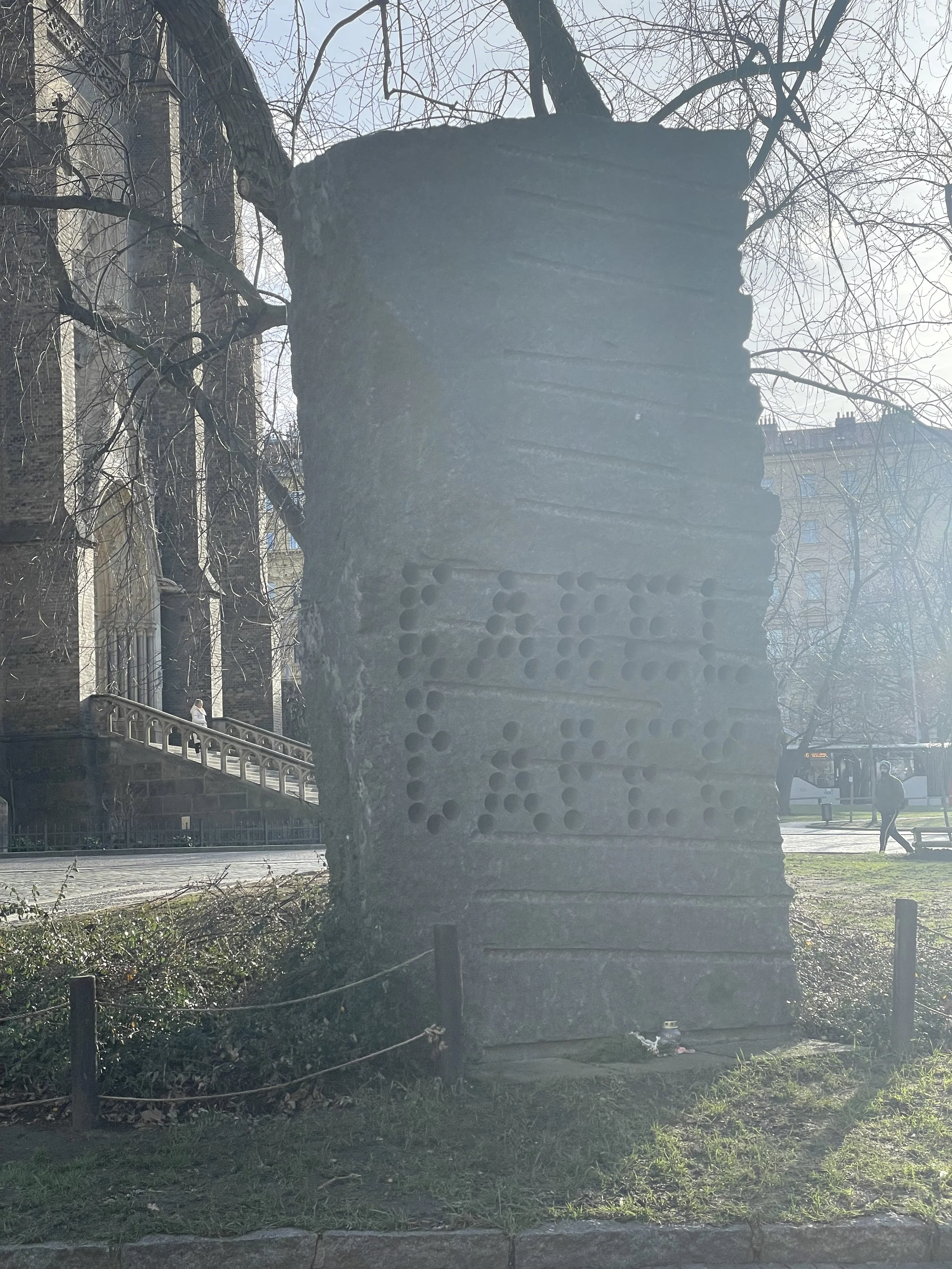
Study: Karel Čapek
09-12/2023
On Čapek
Notes toward a way of working
The logic of Rossum's Universal Robots begins with an ambition that sounds reasonable: make something that works better than a human being. Remove the inefficiencies — the fatigue, the distraction, the inconvenient interior life — and what you are left with is a body that performs its function without complaint or cost. This is presented in the play as progress. It is, of course, a catastrophe. But what interests me is not the catastrophe so much as the premise — the idea that the removal of imperfection is itself the goal, that the perfect object is worth building, that efficiency and flawlessness are values rather than just properties.
I have been thinking for a long time about what I call perfect object culture — the condition we are now living inside, where the premium is placed on seamlessness, on finish, on the elimination of any trace of process or struggle from the surface of things. It is everywhere: in product design, in digital interfaces, in the expectation that art should arrive already resolved, already legible, already complete. Čapek named this tendency a century ago, not as a technological prediction but as a philosophical diagnosis. The robot is not a machine. It is an argument — the argument that perfection is achievable and that achieving it is desirable. R.U.R. is the consequence of taking that argument seriously.
The work I make moves in the opposite direction. The work is not a failure of fabrication — it is the material telling the truth about itself, about the forces it has been subject to, about time. The screw holes left by a previous assembly are not blemishes to be filled but evidence to be preserved. If the perfect object erases its own history in the name of function, then the imperfect object — the provisional, accumulated, reconstructed thing — is a counter-argument made in steel. It insists that the trace matters. That what something has been through is part of what it is.
What Čapek understood — and what the play enacts rather than argues — is that the cost of the perfect object is interiority. The robots are efficient precisely because they have no inner life, no ambiguity, no remainder that exceeds their function. And once you have built something that operates without remainder, you have also, quietly, made the human being beside it look wasteful. Messy. Obsolete. This is the cultural pressure I feel the work pushing against. Not by celebrating mess for its own sake, but by insisting that the remainder — the excess, the residue, the part that does not resolve — is not a problem to be solved. It is the point.
Čapek did not know he was writing about machine learning or algorithmic culture or the particular anxieties of the present moment. He was writing about an idea that was already old in 1921 — the idea that human beings are essentially a problem to be optimized away. The accumulated surface, the material that refuses to lie flat and behave: these are not nostalgic gestures toward a pre-industrial past. They are a present-tense refusal of the premise. The imperfect object does not aspire to be a robot. It aspires to remain, stubbornly and visibly, itself.
Reference
Čapek, Karel. R.U.R. (Rossum's Universal Robots). Translated by Claudia Novack. London: Penguin Classics, 2004.
O Čapkovi
Poznámky ke způsobu práce
Logika Rossumových Univerzálních robotů začíná ambicí, která zní rozumně: vytvořit něco, co funguje lépe než lidská bytost. Odstraňte neefektivnosti – únavu, rozptýlení, nepohodlný vnitřní život – a zbude vám tělo, které plní svou funkci bez stížností a nákladů. To je ve hře prezentováno jako pokrok. Je to samozřejmě katastrofa. Ale co mě zajímá, není tolik katastrofa, jako spíše premisa – myšlenka, že odstranění nedokonalosti je samo o sobě cílem, že dokonalý objekt stojí za to postavit, že efektivita a bezchybnost jsou spíše hodnoty než jen vlastnosti.
Dlouho jsem přemýšlel o tom, co nazývám kulturou dokonalého objektu – o stavu, v němž nyní žijeme, kde se klade důraz na bezešvost, na dokončení, na odstranění jakékoli stopy procesu nebo boje z povrchu věcí. Je všude: v designu produktů, v digitálních rozhraních, v očekávání, že umění by mělo dorazit již vyřešené, již čitelné, již dokončené. Čapek pojmenoval tuto tendenci před stoletím, ne jako technologickou předpověď, ale jako filozofickou diagnózu. Robot není stroj. Je to argument – argument, že dokonalost je dosažitelná a že její dosažení je žádoucí. R.U.R. je důsledkem vážného přístupu k tomuto argumentu.